ASHTON, Samuel

0 1
Read Time:56 Second

This article originally appeared in Vol.65, No.2 (2018) of Pioneer Magazine.

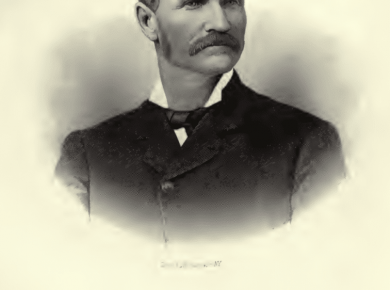
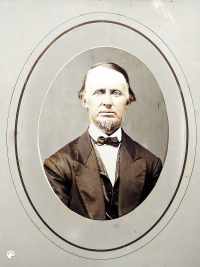
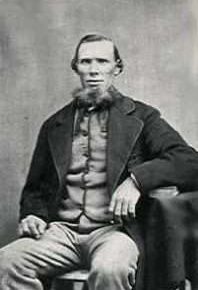
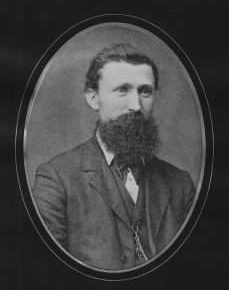
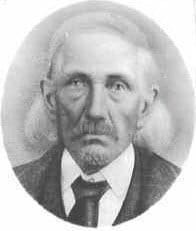
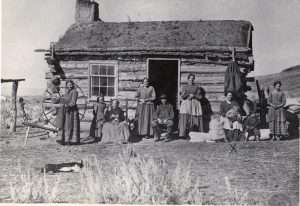
Samuel Aston (1815-1890) sits in the door of his cabin, with his family.

Samuel Ashton and his wife Mary Bunting Ashton came across the ocean on the ship Horizon. They crossed the plains with a handcart company and arrived in the Salt Lake Valley November 30, 1856, where they stayed for a few years. In 1862 they moved to Kaysville and built a log cabin by the mountain road in East Kaysville.

Small of stature, Samuel Ashton was handicapped with poor health and was incapable of performing heavy manual labor. His wife was a competent doctor and midwife, so she supported the family by delivering babies and caring for the ill. Samuel was an early stay-at-home father who took care of the home and yard. While it took many years to accomplish, the Ashtons’ yard became well-known for its beautiful beds of petunias, portulaca plants (moss roses), and many other flowers.


See Daughters of Utah Pioneers, Phillips Camp Biographies (Allen to Barton).

Happy
Happy
0 %
Sad
Sad
0 %
Excited
Excited
0 %
Sleepy
Sleepy
0 %
Angry
Angry
0 %
Surprise
Surprise
100 %
You May Also Like

HURST, Philip: Letter on Indian affairs in Sanpete County to the Salt Lake Herald

If government wants to know if there has been any Indian trouble here, let men be sent here to inquire; talk to the widows of Jens Larsen and David Jones, the widowed mothers of Thomas Jones and Nathan Stewart; visit the graves of the entire Given family; talk to the men who have rode night and day for hundreds of miles, trying to bring these marauders to Justice;
View Post

ALLEN Jr., Daniel: A Life of Consecration

Having completed their assignment, Daniel and his committee returned to Nauvoo, only to find buildings burning, mobs raging, and the saints gone. Daniel hurried to his home to find that his family was still alive, but his wife Mary Ann had just had a new baby and was very ill. He pled with the mob to let him stay a few days so his wife could recover, but they said they would kill them all if they weren’t gone by the next day. They hurriedly loaded what they could in the wagon and made a bed for Mary Ann and the baby. The Allen wagon was one of the last three to leave Nauvoo. They traveled together for a short distance, but couldn’t keep up because of Mary Ann’s grave condition. Being left alone with only one other wagon, they trudged through the mud and snow as best they could until they reached the head of Soap Creek (it looks like this might be less than 100 miles from Nauvoo). Mary Ann had struggled so valiantly, but could endure no more, so she whispered her last words to her loving husband…”We’ll meet again dear love in a better world and I shall wait your coming”. She died on the trail in May, 1846, along Soap Creek, Davis County, Iowa with no one but her family and the angels in heaven to mourn her passing.
View Post