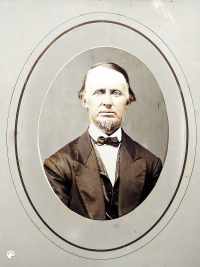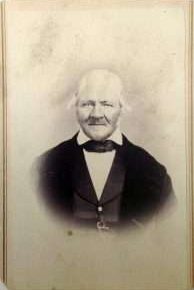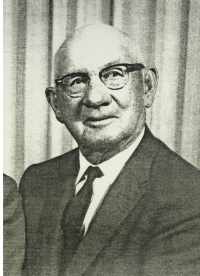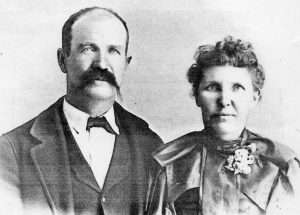
PETTY, Albert Haggerty

0 1
Read Time:51 Second

Albert Petty (1854-1928) and Josephine Black (1863-1950)

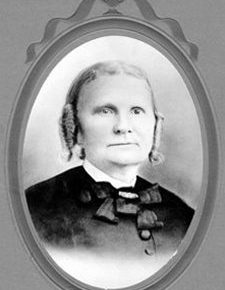
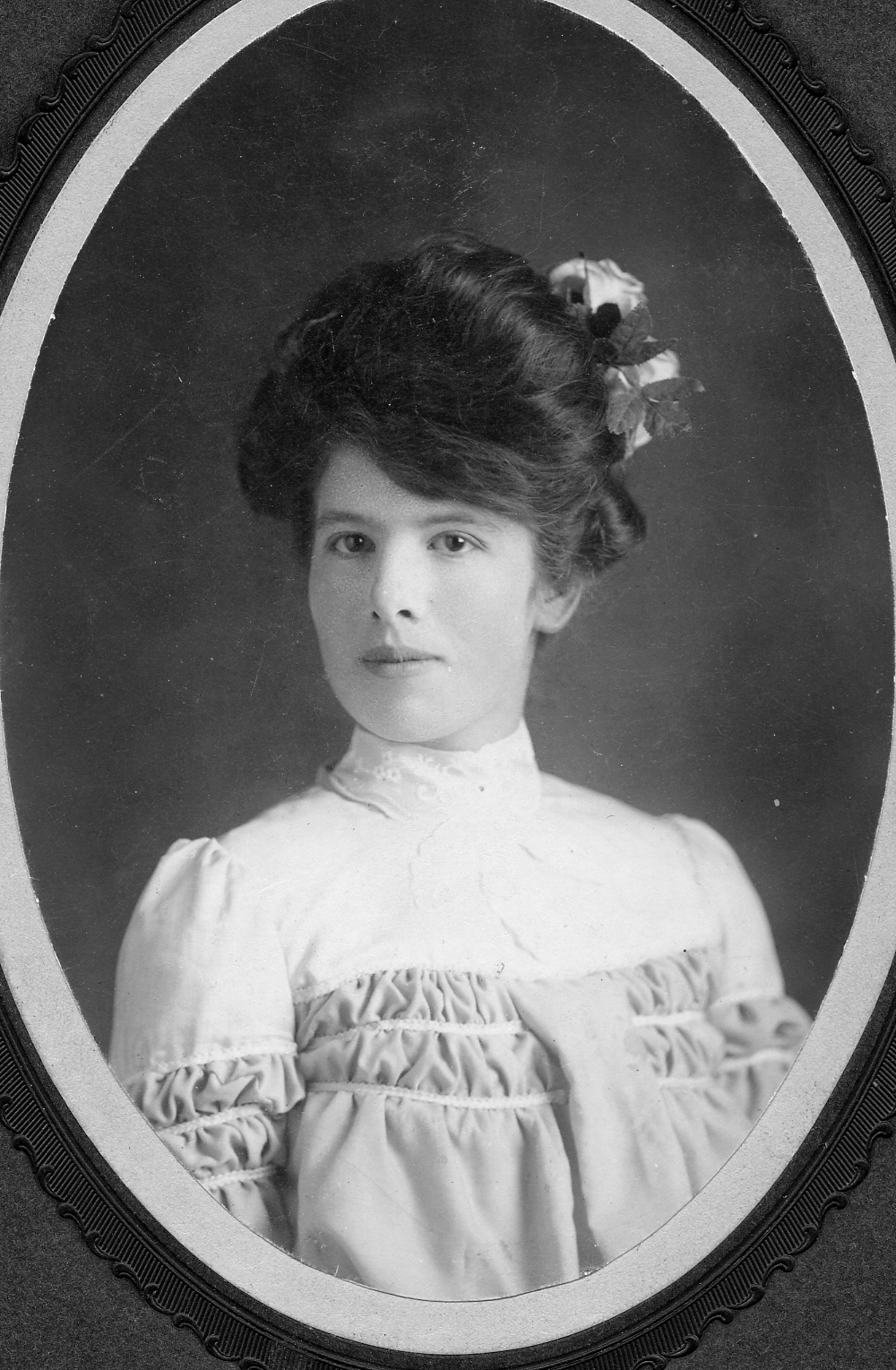
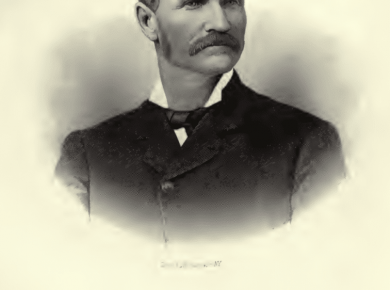
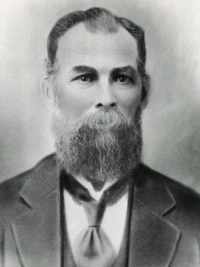
Albert Haggerty Petty, mechanic, son of Albert and Lucinda, was born in Manti, March 3, 1854. His father came to Utah in 1848 and located in Salt Lake City. He learned gunsmithing in the Southern States and followed that occupation till his death. Was a member of the Territorial Legislature in 1852-3-4. He settled in Manti in 1853, and in 1862 went to Dixie, where he died June 19, 1868. Albert H. has two full brothers, Frank and John, and three half brothers, George, Heber and Joseph H., and a sister, Catherine. The latter took up the first land seven miles south of Manti, at Pettyville, now known as Sterling. He resided in Deseret, Millard county, being a contractor and builder and music teacher. Was married November 28, 1881, to Josephine, daughter of Bishop J. S. and Caroline Black. They have five living sons: Edgar, Manoy, Elmer, Acil Seherib and Bryan.

Happy
Happy
0 %
Sad
Sad
0 %
Excited
Excited
0 %
Sleepy
Sleepy
0 %
Angry
Angry
0 %
Surprise
Surprise
100 %
You May Also Like

BELLISON, James Thomas and Louisa

Before many days, an incident occurred which tells a lot about James' attitude toward draft animals. His granddaughter, Pearl Allen Read, tells of the company coming to a bog of mud in the trail which caused many wagons to get stuck. As each team came to the bog, the Captain standing there would join the drivers in whipping the animals to get them through.When it was his turn, James forbade the Captain. "These are my animals and no whip is to be used on them." Although James' team pulled through the bog successfully, the Captain was angry and thereafter continued to find fault with this independent member of his company.James Thomas' life-long insistence that his animals be treated well was admired by those who knew him and was learned and perpetuated by his children throughout their lives.
View Post

FREESTONE, George: and his Wives, Alice Carlisle and Jennie Lind

George found himself, as a fifteen year-old, driving four yoke of oxen on a heavy freight wagon to the Utah Territory. His younger brother, James, later wrote that he had driven sheep 1,000 miles barefooted across the Plains. “In Alpine,” George wrote, “between 1855 and 1856, I spent about half of my time building forts to fight against the Indians and half my time killing crickets.” The family struggled against these odds to make a living. Then in 1858, they lost their father when he was killed by Indians.
View Post

William Henry Adams, Jr.

In 1853 when the grasshoppers took the crops, he and his family subsisted on boiled thistles, mushrooms, or any kind of roots or segos. He apprenticed as a stone and brick mason with his father. They built an adobe house in Pleasant Grove, as well as many other buildings there.
View Post

GREEN, Robert Kenyon: Biography (1806-1884)

Winter in Ponca CampOn July 1st, 1846 a ferry was completed to cross the Missouri River. On the western side, a place called ‘Cold Spring Camp’ was established on recommendation of Bishop George Miller. It was late in the year, and the Green family pioneers had been delayed by heavy rains. They waited for instructions to either press on to the Rocky Mountains or find a place to spend the winter. Companies organized by Brigham Young and Heber C. Kimball at the Cold Springs Camp combined with Bishop Miller's Company and became the advance party for the church.
View Post

SWEETEN, Colen Hagle

Finally, I heard his muffled voice calling from the bottom of the well. He said that the horse filled the entire hole. There was just about enough mud and water to cover the horse. He could not find anything of the man or the shovel.
View Post