FENTON, Thomas

0 1
Read Time:1 Minute, 3 Second

This article originally appeared in Vol.60 No. 2 of Pioneer Magazine

by Ronald W. Andersen

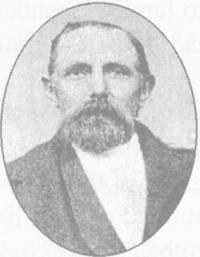
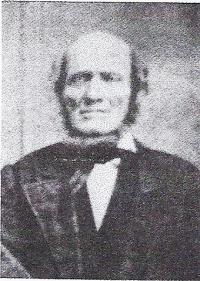
The Fentons rented part of a house in the Fifteenth Ward, but in 1852 they purchased a house and lot in the Sixth Ward. In 1856 they moved to Ogden, intending to settle there, but after buying a house and two lots in that city and finding themselves unable to purchase farming land in the vicinity, they returned in February 1857 to their old home in Salt Lake City. Having purchased two-and-a-half lots close to his home and planted a good fruit orchard, Mr. Fenton next seeded, planted, and established a first-class nursery. Afterwards, as his sons grew old enough to go into business with him, he purchased 30 acres of land a few blocks away for nursery stock and kept his green and hot houses, rose gardens, and so on in the Sixth Ward.

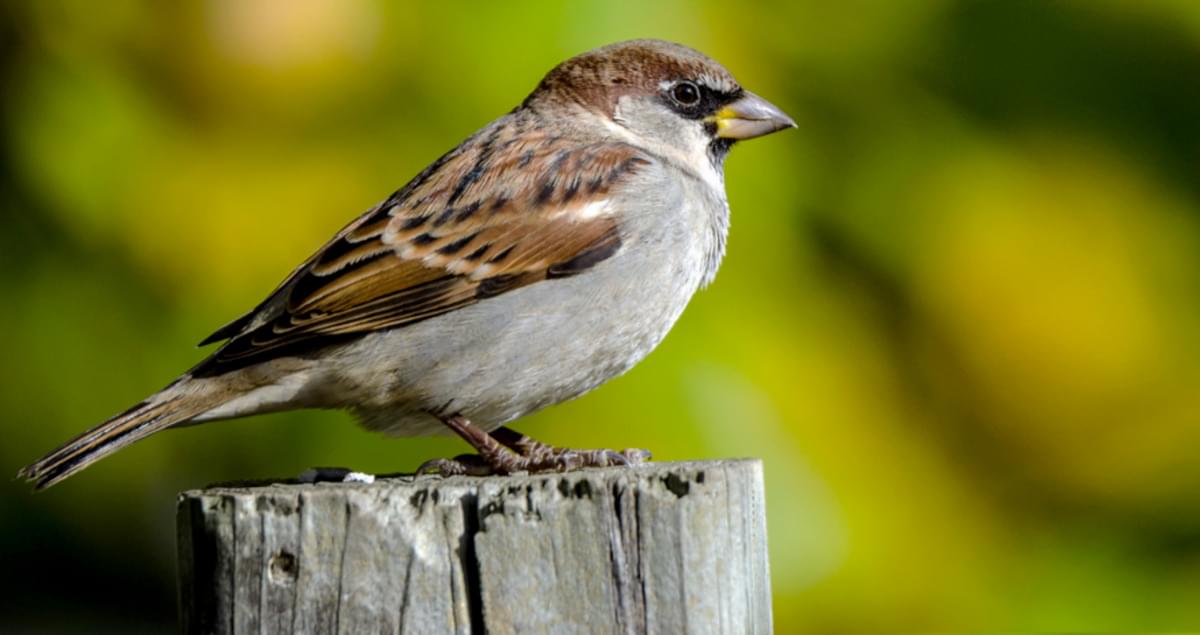
In June 1876, Fenton asked the city council to consider the propriety of introducing the English sparrow for the purpose of exterminating insects destructive to fruit. The petition was referred to the committee on improvements. The petition was evidently approved and the bird, the weaver finch, popularly referred to as the “English sparrow,” was brought to Utah

Happy
Happy
0 %
Sad
Sad
0 %
Excited
Excited
0 %
Sleepy
Sleepy
0 %
Angry
Angry
0 %
Surprise
Surprise
100 %
You May Also Like

JEPPSEN, Niels Andersen

The day after their wedding they walked to their farm in North Ward (now named Harper Ward). She carried a basket with her dishes in one hand, while with the other hand she helped Niels carry a large box which contained their worldly goods. A large stove kettle was fastened to the box, while suspended on a stick, which he placed across his shoulder with a sheet with quilts wrapped inside.
View Post

MITCHELL, James Jr. & Anne Hull

Up north in the Upper Snake River Valley, the virgin soil was bringing forth bounteous crops. This land could be had almost for the asking, so James took advantage of the pre-exemption rights of the Homestead Act and secured 360 acres of virgin soil just two miles north of Shelley, Idaho. So it was that in 1885, James came to Idaho.
View Post

BINGHAM, Erastus

Erastus Bingham stood up on his wagon wheel and talked to the Saints, telling him that he proposed to obey the council of president Brigham Young, that he and his family would remain until Spring and invited all to join with him in accepting the invitation of the Indians to share their camping ground. About one half of the company remained with Erastus Bingham; the others decided to attempt the journey Westward with their commander, Bishop Miller. They pushed on Westward but met with a great many losses. The Indians stole some of their animals; and they suffered from the cold and lack of food and were compelled to return, some of them camping near Erastus Bingham’s camp. The Ponca Indians were very kind to the families who were sharing with them their camping ground, even bringing meat for some of the most destitute families. They wintered with the Ponca Indians, living in their wagons and a wickiup the friendly Indians provided for them.
View Post

JOHNSON, Benjamin Franklin

Every house was a hospital, but without nurses. There were hardly enough men to bury the dead. As Benjamin had cared for the sick at the Kirtland Poor Camp, he knew what should be done and was immediately called upon by Joseph to help. He reported: “I had come to Nauvoo on horseback and as the houses of the brethren were scattered for some distance up and down the river, I kept my horse under the saddle and rode from house to house giving medicines and caring for the sick, and for six weeks did not take off my boots or coat for one night of sleep.”
View Post

GREEN, Robert Kenyon: Biography (1806-1884)

Winter in Ponca CampOn July 1st, 1846 a ferry was completed to cross the Missouri River. On the western side, a place called ‘Cold Spring Camp’ was established on recommendation of Bishop George Miller. It was late in the year, and the Green family pioneers had been delayed by heavy rains. They waited for instructions to either press on to the Rocky Mountains or find a place to spend the winter. Companies organized by Brigham Young and Heber C. Kimball at the Cold Springs Camp combined with Bishop Miller's Company and became the advance party for the church.
View Post