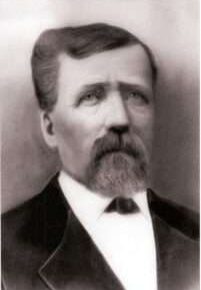
FENTON, Thomas

0 1
Read Time:1 Minute, 3 Second

This article originally appeared in Vol.60 No. 2 of Pioneer Magazine

by Ronald W. Andersen

The Fentons rented part of a house in the Fifteenth Ward, but in 1852 they purchased a house and lot in the Sixth Ward. In 1856 they moved to Ogden, intending to settle there, but after buying a house and two lots in that city and finding themselves unable to purchase farming land in the vicinity, they returned in February 1857 to their old home in Salt Lake City. Having purchased two-and-a-half lots close to his home and planted a good fruit orchard, Mr. Fenton next seeded, planted, and established a first-class nursery. Afterwards, as his sons grew old enough to go into business with him, he purchased 30 acres of land a few blocks away for nursery stock and kept his green and hot houses, rose gardens, and so on in the Sixth Ward.

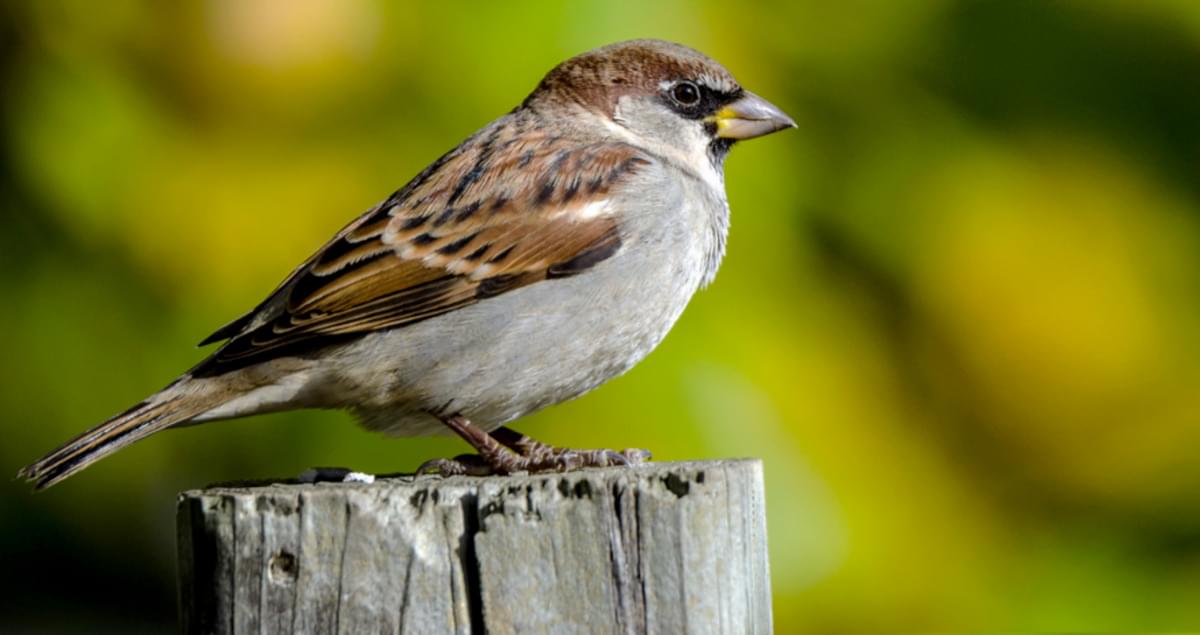
In June 1876, Fenton asked the city council to consider the propriety of introducing the English sparrow for the purpose of exterminating insects destructive to fruit. The petition was referred to the committee on improvements. The petition was evidently approved and the bird, the weaver finch, popularly referred to as the “English sparrow,” was brought to Utah

Happy
Happy
0 %
Sad
Sad
0 %
Excited
Excited
0 %
Sleepy
Sleepy
0 %
Angry
Angry
0 %
Surprise
Surprise
100 %
You May Also Like

ALLEN, Andrew Lee

The family moved to Provo, where Andrew and his sons helped to build the Provo Fort. Andrew taught his sons to work and take care of their animals. The sons worked quite often as teamsters. Andrew was an excellent rope maker and knew how to make dyes from plants. He made tassels and decorations for his teams.
View Post

HASKELL: George Niles

President Young told the men; "There would be no death from fighting befall you, if you keep the Lords Commandments. "There shall be no fighting except with wild beasts." The wild beasts turned out to be wild bulls of which there were several injuries and mules gored. The Battalion shot over twenty bulls before they quit charging the men, mules, and horses. George Niles Haskell enlisted at the age of 49. They journeyed on to Winter Quarters where he took his wife, one girl and a son and proceeded on to Kegs Creek, where he left them with friends and acquaintance. Malinda had married prior to this time. The men then left for Fort Leavenworth where they received their gear and proceeded toward Mexico. The family was to await the return of George Niles Haskell and the military pay from the Army was used to help to support them. President Young made arrangements with the Army and Govt. to remain here on Indian Land for the duration. George was Private #46 of Company B. Many of the Mormons traveled to the Missouri River with the enlisted men. He had enlisted for a year, 16 July 1846 to 16 July 1847.
View Post

ASHTON, Edward

Edward was apprenticed to a man who would teach him how to make shoes. He was bound for three years for his board and room, and his mother paid the sum of six sovereigns (approx $30.00) for his apprenticeship. This was not a happy experience as he did not get enough food and it was not of the highest quality, and he was required to do all kinds of work besides the trade he was supposed to be learning. The man was most unkind and Edward suffered a great deal of abuse as his employer routinely beat him.
View Post

ALLSOP, Thomas Hill

STORY COPIED FROM FILES IN SUP LIBRARYWhen more people came to Sandy, Mr. Allsop sold some of his land. Later he donated land for the Church site and cemetary. He gave Sandy a big bowery where large parties could go and dance and have weenie roasts. The bowery, the reservoir and Allsop's Lane was known to all the people of Sandy and surrounding communities.
View Post

HINTON, James Maurice: Life Story

I herded those sheep through what they call the Bear Hole. I’d start them through the East side and it would take them ten days to go through. I herded sheep four years for Wilts Imlay on Kolob in the summer and on the Arizona Strip in winter. The wages were $40 a month and board. I’ve got more to show for those four years than any other time in my life.
View Post

BARLOW, Oswald: History of a St. George Pioneer

Oswald Barlow was a member of Utah's first Martial Band, directed by Professor Thomas. Not only did he play the fife and drum, but he was also an expert dancer. So, in 1859, Oswald opened up his own school of dance. Many of the Saints were glad to receive instruction from him, and cultural arts were strongly encouraged by Brigham Young. In fact, several of Brigham's daughters were among the first pupils at his school. Oswald also had a splendid bass voice and was a good entertainer; therefore, many people loved to hear him sing.
View Post