0
0
 1
1
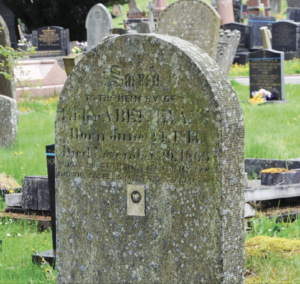
Joseph Stewart (Steward) Allen was born June 25, 1806, in White Town, Oneida (Cold Rain) New York.
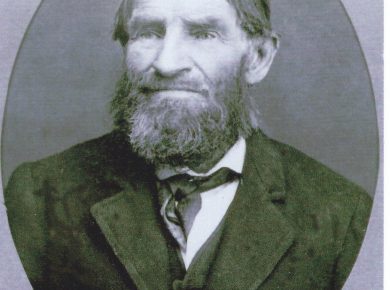
As a man, he was small in stature—about 5′ 8″ with a blonde complexion, curly hair, and unusually small feet, wearing boys’ size four shoes. He was a good mixer and as he grew older he went partly bald, having only a rim of white hair left. He never sat for a photograph! He said people could remember what he looked like.
He joined the Church of Jesus Christ of Latter-day Saints on February 3, 1831, and moved with the Saints from New York to Kirtland, Ohio. There he met and married Lucy Diantha Morley.
He went with the brethren to Zions Camp in May 1834. They were organized into companies for the journey by Joseph Smith. Each company was divided into twelve men in total: a captain, two cooks, two firemen, two tent men, two water men, one runner, two wagon horsemen, and one commissary. At the sound of the bugle, all bowed in prayer in their several tents, and every morning at about 4:00 at trumpets call, every man knelt again in prayer. They were followed by enemies and spies.
A delegation approached them from time to time to learn the meaning of their journey. The following questions were frequently asked of them, and they answered them in this manner:
“Where are you going?”
“To the west.”
“Where are you from?”
“From the east.”
“What are you going for?”
“To see who can get the best land the cheapest.”
“Who leads this camp?”
And so on. Sometimes one or another.
It was about the first of June when the prophet had a revelation that a scourge would come upon the camp in consequence of some unruly spirits that appeared among them, and they would die like sheep with rot. Still, if they would repent and humble themselves before the Lord, the scourge might be turned away in a great measure. Yet some still murmured that they were struck with cholera.
The following incident happened during this long and tedious journey. Joseph’s shoes wore out, and he went on as long as he could. He didn’t complain to the prophet about his shoes being gone and his feet sore and bleeding, but one day he said to the companion he was traveling with, “I simply cannot go on any farther; my feet are too sore.”
They sought out a fallen log (tree) and sat down to rest. There, too, they knelt down to pray. They prayed for some shoes out there in that raw, bleak country away from stores or from any town where shoes could be bought if they had the money to buy them.
They must have had great faith, for after sitting there a while longer to rest, they rose to go on and saw there beside the log a pair of shoes. “They were surely meant for you, Brother Allen,” said his companion. “They would not do it for me at all. They are too small. ” So Joseph put on the shoes, which fit perfectly, and they traveled on.
They always camped in a body, even if they separated in the daytime. Someone in the lead would select a campsite and they would all come to it together at night sooner or later.
He was never one to complain to the prophet. For one so humble as he that prayed for shoes and had his prayers answered with a messenger from God bringing them to him, we who knew him best know-how fine and true and dependable he was.
During his mission in the South, Joseph and his companion had made an appointment for a meeting during the evening. It was in the spring of the year, and on the day they were to fulfill their appointment, they came to a stream that the day before they had crossed easily. However, it was now so swollen with a rushing torrent of water that it was impossible to cross on foot. They knew about a ferry upstream some distance away, but going to that crossing would make them late for their meeting. So they did what most Elders would do. They knelt down and prayed for help. On looking up, they saw a big, fine man on an extra-large horse coming across the stream towards them. They were simply floating, or so it seemed. The horse could not possibly reach the bottom of the stream bed.
“Do you gentlemen wish a crossing?” he asked.
“We do.”
“Then mount with me and I will take you over.”
They got back on the horse with the man and were soon safely over. After climbing off, they turned to give their thanks to their kind and extraordinary beneficiary, but to their astonishment, both horse and rider were nowhere to be seen. There was not a ripple in the water to indicate that he had gone back into the river. This event took place when Joseph was 29 years old on September 2, 1839.


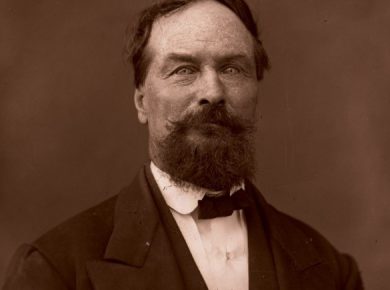
 Brother Joseph