 0
0
 1
1
By Richard D. Kirkham
Source: FamilySearch
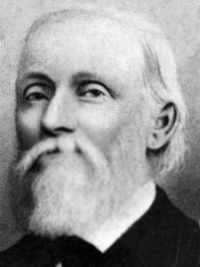
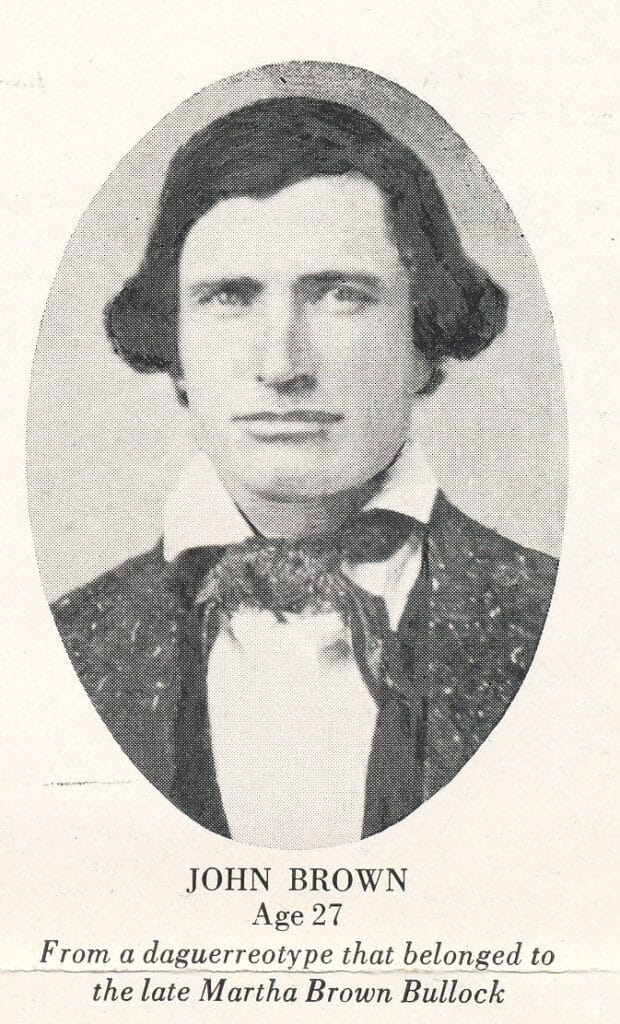
John Brown was a member of Brigham Young’s Vanguard company that entered the Salt Lake Valley on July 24, 1847. He was born on October 23, 1820, in Sumner County, Tennessee. He was 26 years old when he first saw the Great Salt Lake.
As captain of the Thirteenth Ten, he accompanied the first Utah pioneers west.
He and Orson Pratt were assigned to be the advance scouts for the company, and on July 19, 1847, these two men saw the Salt Lake Valley from the top of Big Mountain. It was the first view of this valley by any of the Mormon pioneers. John Brown came into the valley on July 22nd. Later that year, he went back to his home to bring his family to Utah.
In his written testimony of the events of that time. Brother Brown said,
“When the Pioneers arrived in Salt Lake Valley in 1847 we stood in the hot July sun with our hats on, and our Great Captain and leader called the attention of the assembly. He pulled off his hat, waved it over his head, and exclaimed,
‘Attention! The whole world! We are here to lay the foundation of a great work to be accomplished in these mountains in the midst of the desert and right here the Great City will be built. We are on the spot where the temple will be erected (he said pointing to the spot where the temple new stands). We will gather the church here. We will bring the poor here from all nations. We will continue our operations and fill these valleys full of Mormons from the Gulf of California on the south to Hudson Bay on the North.’ That was pretty large talk for a little band of people who had been robbed of all their earthly possessions. Think of it. Who could have anticipated the events foreshadowed in these declarations, under such circumstances? A handful of people, having nothing but faith to operate with.
“The city was surveyed and plotted to its present size at once. The ground plan of our work paid no respect to national boundaries. This country at that time belonged to Mexico. And what does the world behold today? Our settlements extend beyond the Gulf of Mexico into Old Mexico itself. We have crossed the Canadian line on the way to Hudson’s Bay, filling the valleys along the way with cities and towns filled with happy homes throughout. It was said by all the mountaineers who had been here for twenty years prior to our coming that the country could not be settled, that grain could not be raised. The country looked forbidding. But all the elements ofwealthwere here to sustain a great people: Bread, milk, butter, honey, sugar, the finest fruits and vegetables, wool, silk, gold and silver. They only lacked developing. There was a veil over it. I was present and heard these declarations on that hot July day in the stillness of the desert being one of that little party.
“The gold mines were open in California and there was a big temptation to draw a way in 1849, but no gilded Potiphar’s wife could seduce us from the path of virtue. Instead of going to California to dig gold we stayed here and dug brush and water ditches, knowing we had a greater work on hand than any gold mine the world ever knew. We could not be discouraged Although our garments had been snatched from our shoulders and we had been cast into prison. Our destiny is onward and upward and we will yet ride in the big chariot, and stand next to Pharaoh, and be the savior of our father’s house.”
After living in Salt Lake for many years, John Brown moved to Pleasant Grove where he was called to be bishop, in which office he officiated for twenty-nine years. He was later ordained a patriarch of the Utah Stake of Zion, which then embraced all of Utah county. This last-named position he held until the time of his death. He died in Pleasant Grove, Utah November 4, 1896.


 Brother Joseph