0
0
 1
1
by Florence Youngberg
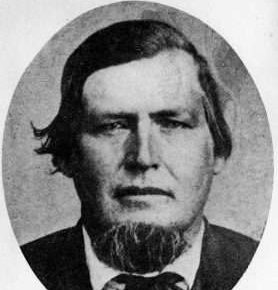
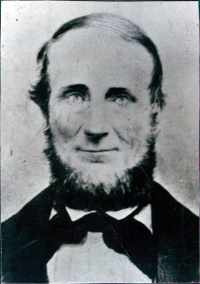
George Stuart, son of George Stuart and Rebecca Utley, was born the 29th of March 1796 in North Carolina, probably near Cumberland as that is where the oldest child was born. In his father’s will, written 7 February 1831, the name is spelled Stuart. Descendants have written it Stewart.
His father came to this country from Scotland and family tradition tells us that he was a relative of Mary Stewart, Queen of Scots.
George was 26 years of age when he met and married a lovely young girl by the name of Ruthinda Baker. Rutha, as she came to be called, was only 14 years old when they were married on the 1st of April 1822. She was the daughter of Nicholas Obediah Baker and Elizabeth Hicks. They were well-to-do Southern plantation owners. Rutha enjoyed the cultured life of wealthy southern families. When she married George he was the owner of a large plantation which was well stocked and well equipped, including a cotton gin, a grist mill, a saw mill and a large number of slaves to work the fields and house.
George Stuart often made trips into the North to find a market for his crops. While on one of these business trips, he came in contact with the missionaries from the Church of Jesus Christ of Latter Day Saints. He was immediately impressed with their story. Upon his return home, he told his family about the new religion and expressed a desire to learn more about this new faith. George was a religious man. He had built a church in the community where they lived so that his family could have contact with a church and receive the religious training he felt they should have. In the spring of 1842, the Mormon Elders came to the village where the Stuarts lived. Some of the neighbors remarked that “This is what Father Stuart has preached for years.” Upon learning that they were there, George took his family to hear them preach. After the meeting, George and his daughter Cynthia, said they were ready for baptism, but Rutha, his wife, thought they had better investigate a little more. They studied and talked to the missionaries until they were convinced that this was indeed what they wanted. On the 25th of May, 1842, George, his wife Rutha, and their oldest daughter Cynthia and oldest son James Wesley, were baptized. In July, 1847, five more children were baptized; George Rufus, William Anderson, Eliza Jane, Mary Eveline and Isaiah Lawrence.
At the time of his conversion to the church, George was considered a wealthy man. His wealth was estimated to be in the neighborhood of $150,000.00 which, in those times, was a very great deal. He was well liked and respected by everyone who knew him or knew of him, but as soon as people heard that he had joined the “new” church, persecution began. Their family became outcasts. Their cotton gin was burned, their many horses were poisoned. The man who was looked up to suddenly became a person to be shunned. They were looked upon as deluded, dangerous fanatics, and unfit to live and associate in a civilized community.
As the persecution increased, George knew that if they were to have any kind of a family life, he would have to move his family. He tried to sell his plantation and holdings, but no one would have anything to do with him. At length he determined to moved his family, take what he could of their possessions of value, and go North in search of the saints.
Early in the fall of 1844, George prepared to go North with his wife and their children, leaving behind all they could not haul in the wagons. As they entered the state of Missouri, another problem arose. They were now entering a state where slavery was frowned on, so he disposed of all his slaves except one large Negress, named Anne, who had been a personal servant for many years.
Family stories say that he gave them their freedom but it is not known for sure.
They finally settled in Dallas Co., Missouri. There were some people there who claimed to belong to the church, so George purchased a large farm. They soon learned, to their sorrow, that they had settled in an apostate community.
In December 1844, George, leaving his family in their new home, returned to Alabama, with the hope of disposing of his property. He was successful in selling part of his possessions which netted him several thousand in gold and silver coins. He put the gold in one small trunk and the silver in another and returned to his family. On the return trip by steamer and stagecoach, he caught a severe cold which brought on plural pneumonia to which he succumbed within three days after reaching his family. He died on January 14, 1845.
Before dying, he bore a strong testimony to the truthfulness of the gospel that he had espoused. He admonished his family to adhere strictly to its teachings and as soon as possible, to sell their new home and land and gather with the Saints at Nauvoo. He had learned that that was where the Saints were. He told his wife that she should stay with the church even if she had to sacrifice all her wealth to do so.
His death was a severe blow to his family, and especially to his wife Rutha. She now had 8 children to which another one was added 4 months after his death. He had left a fine legacy to his family and had introduced them to a church which would have a tremendous influence on their lives.
This biography originally appeared in the Nov/Dec 1990 issue of Pioneer Magazine


 Brother Joseph