 0
0
 1
1
Share and Share Alike: Mary Jane McCleve Meeks and United Order
This article originally appeared in the November/December 1970 issue of Pioneer Magazine.
By Harold H. Jenson, Historian, Sons of Utah Pioneers

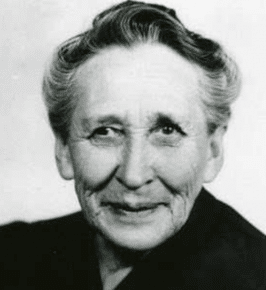
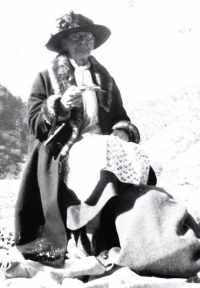
This story on the United Order was taken from the lips of Mrs. Meeks at Orderville many years ago, when she was 91. She married at 16. Dr. Meeks was 66. They had ten children. She was a widow at age 43. In 1932, when this story was written for the Juvenile Instructor with her picture, she had five living generations, 62 grandchildren, 131 great-grandchildren and 47 sons and daughters-in-law.
She was a tiny little woman who lived alone in a flower covered cottage. With my baby boy, I interviewed her by candlelight as she retired early. This is one of the hundred short articles from my book, “Pioneers of Yesteryears,” and only gives part on the Order.
“In 1877 we (Dr. Meeks) moved to Long Valley and joined the United Order which had been organized two years before. We sold all we had and turned it into the common fund. We lived in the fort in a lumber cabin in the northwest where the tithing lot (Orderville) now is. We lived there until the Order was broken up. We all had our work to do and I did midwifery after Dr. Meeks died. I attended over 700 births.
“One time when I attended the sick, the horses ran away and I was thrown out, losing all my teeth, but I made the call.”
“At the time we were in the Order we all shared alike. I well remember the large dining room in the center, with kitchen and bakery attached. At either side were workshops. The bread was mixed in a vat 7 feet long and 2 1/2 feet wide. One hundred pounds of flour was used at a baking with three bushels of potatoes to feed the Order. There were three dairies with 100 cows each in two of them and 50 cows in the third. There was a sawmill and woolen factory, with tannery, shoe shop and cabinet shop. We made our own hats and carded wool for clothes.”
“The reason the Order was stopped was not because of selfishness, as some think, but because President Wilford Woodruff thought it unwise to continue. We were happy and contented and I still think it could be made a success with the right kind of people.”


 Brother Joseph