1
1
 1
1
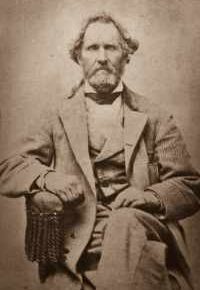
Historical Sketch for 1997 Sesquicentennial Project, Sons of Utah Pioneers
- Birth: October 12, 1811 at Willsborough, Essex County, New York.
- Death: February 13, 1890, Calls Fort, Box Elder County, Utah.
- Arrival in Utah: September 24, 1852 as a member of the Benjamin Gardner Company of Wagon Pioneers.
Jude Allen was born on October 12, 1811 at Willsborough, Essex County, New York as the third son and fourth child of Andrew Allen and Eunice Miner. He died on February 13, 1900 at Calls Fort, Box Elder County, Utah and is buried in the Calls Fort Cemetery.
Spouse: Mary Ann Nicholas
Jude married Mary Ann Nicholas about October 12, 1836, the date of his marriage license, at Parma, Cuyahoga County, Ohio. Mary Ann was born on February 25, 1820 at Cincinnati, Ohio to Jesse Nicholas and Mary Small. Mary Ann died, following the birth of her twelfth child, on January 10, 1860 at Bountiful, Davis County, Utah.
Children of Jude Allen and Mary Ann Nicholas
- Mary Allen- Born on April 13, 1838 at Parma, Cuyahoga County, Ohio. Married John Cook Dewey April 23, 1854 at Bountiful, Davis County, Utah. Died on August 23, 1911 at Deweyville, Box Elder County, U tab.
- Martha Allen- Born on September 26, 1839 at Rochester, Lorain County, Ohio. Married James May August 26, 1856 at Salt Lake City, Salt Lake County, Utah. Died on November 17, 1923 at Calls Fort, Box Elder County, Utah.
- Jane Allen- Born on March 8, 1841 at Parma, Cuyahoga County, Ohio. Married John Stoker July 5, 1857 at Salt Lake City, Utah. Died August 5, 1877 at Bountiful, Davis County, Utah.
- Joseph Allen-Born on April 10, 1843 at Panna, Cuyahoga County, Ohio. Married Lucinda Drucilla Lasley on February 11, 1867 at Calls Fort, Box Elder County, Utah. Died July 25, 1921 at Rockland, Power County, Idaho.
- Emily Allen- Born on June 16, 1845 at Fort Vernillion. near present day Burbank, South Da¬kota. Married Henry Doctor Lish on April 11, 1861 at Calls Fort, Box Elder County, Utah Died on January 10, 1936 at Rockland, Power County, Idaho.
- Harriet Allen- Born on April 17, 1847 in eastern Nebraska between the Niobrara River and Win¬ter Quarters as the George Miller Company of pioneers moved south to join the main body of Saints. Died June 13, 1858 at Springville, Utah County, Utah.
- Andrew Allen- Born on November 16, 1848 in Pottawattamie County, Iowa. Married Elizabeth Louisa Lasley on February 1, 1868 at Salt Lake City, Utah. Following Elizabeth’s death, Andrew married Marintha A1theria Davis on January 6, 1892 at Logan, Cache County, Utah. Died on January 19, 1904 at Rockland, Oneida County, Idaho.
- Jude Allen- Born on June 27, 1851 in Pottawattamie County, Iowa. Died July 31, 1852 near Ancient Bluffs in western Nebraska on the trek to Utah.
- Charles Joshua Allen- Born on May 31, 1853 at Bountiful, Davis County, Utah. Married Mariah Houston Lish on January 23, 1872 at Calls Fort, Box Elder County, Utah. Died on August 15, 1937 at Wilson. Teton County, Wyoming.
- Eunice Clarissa Allen- Born on October 26, 1855 at Bountiful, Davis County, Utah. Married Heber Cotton Wood on October 30, 1871 at Salt Lake City, Utah. Died on November 16, 1904 at Rockland, Oneida County, Idaho.
- Sarah Allen- Born on October 29, 1857 at Bountiful, Davis County, Utah. Married Heber Warren Lasley on June 19, 1875 at Salt Lake City, Utah. Died on February 4, 1934 at American Falls, Power County, Idaho.
- Mary Ann Allen- Born on December 28, 1859 at Bountiful, Davis County, Utah. Died October 18, 1860 at Bountiful, Davis County, Utah.
Spouse #2: Martha Anglesey
Nearly a year before the death of his first wife, Mary Ann Nicholas, on February 23, 1859 at Salt Lake City, Utah, Jude married Martha Anglesey as his first polygamous wife. She was a survivor of the Martin Handcart Company of Pioneers. Martha was born to John Anglesey and Catherine Preston on February 20, 1834 at Bromborough, Cheshire, England. Martha bore no children. She helped to rear the unmarried children of Jude and Mary Ann except for Eunice Clarissa, who stayed in Bountiful with her aunt, Sarah Allen Coltrin, and grandmother, Eunice Miner Allen, when Jude moved his family to Calls Fort in 1861. Martha died on September 23, 1908 at Calls Fort, Box Elder County, Utah where she is buried.
Spouse #3: Sarah Anglesey
Jude married Sarah Anglesey, a younger sister of his wife, Martha Anglesey, in polygamy on February 3, 1866 in Salt Lake City, Utah. Sarah was born to John Anglesey and Catherine Preston on May 5, 1846 at Birkenhead, Cheshire, England. Sarah died on January 9, 1923 at Honeyville, Box Elder County, Utah. She is buried in the Calls Fort Cemetery.
Children of Jude Allen and Sarah Anglesey
- Catherine Celestia Allen: Born on January 1, 1867 at Calls Fort, Box Elder County, Utah. Married John Luce Hunsaker on October 3, 1883, at Salt Lake City, Utah. Died on April 10, 1941, at Honeyville, Box Elder County, Utah.
- Nancy Allen: Born on July 25, 1868 at Calls Fort, Box Elder County, Utah. Married William Arthur Kelly on October 24, 1885, at Calls Fort, Box Elder County, Utah. Died March 18, 1939 at Twin Falls, Twin Falls County, Idaho.
- Albert Amos Allen: Born on February 113, 1870 at Calls Fort, Box Elder County, Utah. Died on September 15, 1872 at Calls Fort, Box Elder County, Utah.
- Martha Matilda Allen: Born on July 29,1872 at Calls Fort, Box Elder County, Utah. Married Hans Peter Hunsaker on November 11, 1891 at Honeyville, Box Elder County, Utah. Died on De¬cember 9, 1945 at Honeyville, Box Elder County, Utah.
- John Robert Allen: Born on January 31, 1876 at Calls Fort, Box Elder County, Utah. Married Helen Eliza Hunsaker on August 24, 1897 at Logan, Cache County, Utah. Died on August 24, 1956 at Tremonton, Box Elder County, Utah
- Rose Vilate Allen: Born on January 9, 1879 at Calls Fort, Box Elder County, Utah. Married Weldon Hunsaker on September 20, 1897 at Brigham City, Box Elder County, Utah. Died on July 9, 1955 at Salt Lake City, Utah.
- Jude Ira Allen: Born on June 27,1881 at Calls Fort, Box Elder County, Utah. Married Nancy Emily Orme on June 29, 1905 at Rockland, Power County, Idaho. Died on August 24, 1962 at American Falls, Power County, Idaho.
Jude Allen’s Accomplishments:
In May 1832 Jude Allen was baptized into the Church of Christ (the early name of The Church of Jesus Christ of Latter-day Saints) while living in Willsborough, New York shortly after his family moved to Parma, a small town located a few miles south of Cleveland, Ohio. On February 12, 1836, Jude was commissioned a captain of the 4th Company in the 3rd Regiment, 2nd Brigade, and 9th Division of the Ohio State Militia by Governor Robert Lucas.
In October 1843 Jude moved his family to Nauvoo, Illinois where he lived on Lot 2 of block 64 at the corner of Hibbard and Page streets, a few blocks north of the temple. Jude was among the men who destroyed the Nauvoo Expositor press on June 10, 1844.
In the fall of 1844, Jude Allen and his family joined the James Emmett Company of pioneers who departed Nauvoo to rendezvous above Iowa City on the Iowa River. A group of nearly 150 was made up of young men and their families who were recruited by James Emmett for a mission Joseph Smith had given him to explore the West. Unfortunately, Emmett refused to follow the directions of the Twelve Apostles. Consequently, he was disfellowshipped. Most of his followers felt they were being directed by the Church leadership. They pledged to share all things in common.
About Christmas time 1844, Brigham Young sent John Lowe Butler to strengthen the company. Butler was welcomed into a position of leadership by James Emmett. In early 1845 the company moved up the Iowa River. In the spring nearly a third of the company was so disheartened that they withdrew and returned to Nauvoo.
In May 1845, the company turned west from their northwestern trek and moved across western Iowa to Fort Vermillion, a French trading post in the present south-eastern part of South Dakota. This group of Mormons was probably the first Anglo American settlers in South Dakota. Jude and the others in the company spent the next ten months hunting buffalo, herding cattle, putting up log cabins, raising vegetables and putting up hay. They also lived near the Sioux who in September 1845, nearly massacred the Mormons because of a horse trade that went awry.
On May 6, 1846, the company, at the direction of Brigham Young, abandoned their cabins at Fort Vermillion and moved south to join the exodus of Saints from Nauvoo at Council Bluffs.
In early July 1846, most of the Emmett Company, including Jude Allen and his family, joined the advance company of George Miller, who crossed the Missouri River and traveled up the Platte River to a Protestant Missionary station that had been burned by the Sioux. At the urging of some Ponca Chiefs, the George Miller Company journeyed nearly ten days northward to the confluence of the Niobrara River and the Missouri River where they built cabins to winter nearly 600 members of the company. Jude was to spend another winter near the South Dakota border, nearly 80 miles west of where the Emmett Company had spent the previous winter.
In early April the Ponca settlement moved toward Winter Quarters. Many of these settlers, including Jude, settled a couple of miles west of Winter Quarters, which was called Ponca Camp, where they raised crops during 1847.
Jude Allen was a petit juror in the Sixth Judicial District of Iowa, essentially Pottawattamie County, in 1851. He officiated in a couple of marriages in 1852 which may confirm the idea that he was a Justice of the Peace, a position he practiced in Box Elder County, Utah. He was selected as a captain of ten wagons in the Benjamin Gardner Company of Pioneers that came to Utah in 1852. Jude settled in Bountiful, Utah where he was a watermaster. He was also appointed captain of Company “E” of the Utah Nauvoo Legion which was made up of men mustered in Bountiful. While at the front in October 1857, Jude was a captain of one of two ten-man detachments who burned Fort Bridger.
Jude was ordained a high priest by Joseph Holbrook in 1859.
Jude taught the principles of debate in his home during the 1870’s. He was active as a delegate at the Peoples Party convention at Brigham City.


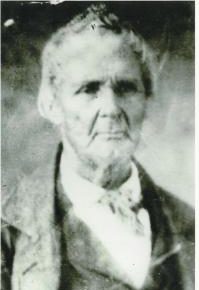
 Brother Joseph