 0
0
 1
1
This article originally appeared in Pioneer Magazine, 2010 Vol.57 No.3
by Ken Lott
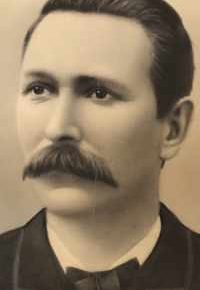
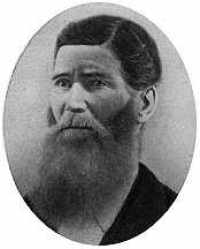
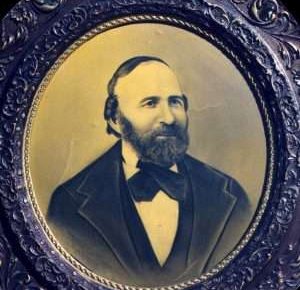
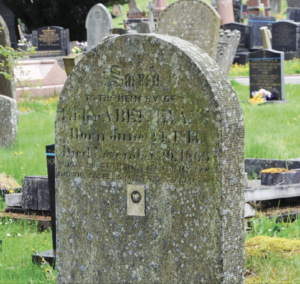
 Born on June 17, 1812, in Llangan, South Wales, to Samuel Evans and Anne Hughes, Abel Evans was baptized as an infant into the “Independent” chapel in Llanboidy. The Independents, along with the Methodists and Baptists and several other faiths throughout Britain, were fiercely opposed to many of the beliefs of the Church of England. Because of their unwillingness to “conform” to the established church, they were known as “Nonconformists.”
Abel lived on the farm until at least the age of 9. By the time he was 14 years of age the family had moved to Merthyr Tydfil, an industrial town in the iron and coal mining district. Both Abel and his father probably worked in the mines.
Late in 1842 Lorenzo Snow sent an English convert, William Henshaw, into the area of Merthyr Tydfil to open up missionary work there. Abel and his father were both baptized into the Church by Elder Henshaw in February of 1844. Abel Evans was the ninth convert of Elder Henshaw. Abel’s mother, Anne, had died of tuberculosis just two weeks earlier. The promised blessings of the gospel at this time of their grief could have been a factor in the decision to be baptized.
Abel was single at the time and could devote his full energies to the work; he almost immediately became involved as a missionary. His first baptism was performed just seven weeks after his own baptism. Among Abel’s convert baptisms were Thomas D. Giles and family. This Thomas Giles, who later became blinded in a mining accident, came to be known as the “Blind Harpist of Utah.” Abel also baptized William and Jane Perkins, who had a baby boy, Benjamin, at the time of their baptism. The Perkins later immigrated to Utah and settled in Cedar City. Their son, Benjamin, was a central figure in the “Hole-in-the-Rock Expedition” in Southern Utah.
Four-and-half months after Abel Evans accepted the gospel, Joseph Smith and his brother Hyrum were martyred. With Joseph in the Carthage Jail until just a few hours before the Martydom was Dan Jones, a native of Wales who had been converted to Mormonism in 1843 while operating a steamboat on the Mississippi River. Joseph had called Dan to go back to Wales to serve a mission, and during that visit in the jail, the Prophet promised Dan that “You will see Wales and fulfill the mission appointed you ere you die.” Dan did go to Wales and Abel Evans became closely associated with him as Dan Jones became an outstanding leader of the missionary work in Wales. Abel was an effective missionary and there are recorded testimonies of priesthood blessings under his hands.
As with most Saints in those days, the overriding goal was to be able to immigrate to Zion. Abel and his father began saving in 1845 in hopes that they could soon go to America. Abel was finally able to leave in 1850 after six years of missionary service.
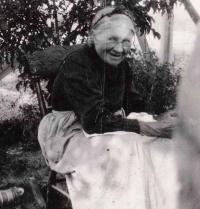
Abel sailed from England to New Orleans with a group of Saints headed towards Zion. On board ship, Abel met a young convert by the name of Mary Elizabeth Jones. The 37-year-old bachelor finally relinquished his celibacy and took Mary Jones to wife. The family lived in Winter Quarters for two years and arrived in the Salt Lake Valley in 1852. Shortly thereafter they settled in Lehi.
Source: Ronald D. Dennis, Indefatigable Veteran, History and Biography of Abel Evans, A Welsh Mormon Elder (Provo, Utah: Rhydybont Press, 1994).


 Brother Joseph