 0
0
 1
1
A Dog to Pull their Handcart

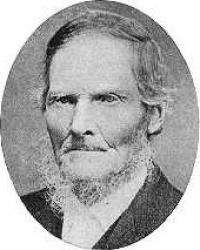
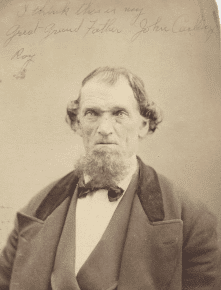
John Henry Tempest and his two sons, James and John, crossed the ocean on the Empire ship. What an exciting experience it was to travel to America, a new land!
On June 6, 1860, Henry and his two sons left Florence, Nebraska, with a company of over two hundred people to go to Utah. Only six of these people were fortunate enough to have wagons with oxen to pull them. Henry and the boys were thankful to have one of the 43 handcarts in the company. Everything they owned was packed in the cart. All the food, dishes, clothing and bedding for all three of them was in their two -wheeled handcart. They knew they would have to walk and pull the cart over trails, up hills and down, hundreds of miles to Utah.
They had not gone very far when Henry became ill. He was so sick that Captain Robinson thought it would be best if Henry and his sons went back to Nebraska. How disappointed Henry was! He begged the Captain to let him stay with the company one more day to see if he would not get better. More than anything else in the world, he wanted to be able to pull his cart and go on with the others.
That night Henry prayed and told Heavenly Father how much he wanted to go on. He asked the Lord to help him get to Utah. The next morning he was much better. He traveled along trying to help James and John with the cart.
When it was time to camp that evening, Henry was very tired, but he was grateful to Heavenly Father that he had been well enough to keep going with the company. The Pioneers took their things out of their carts. Each person had work to do. They started fires and cooked something to eat. They made their beds on the ground so they could rest and be ready to go on again. The boys worked; Henry rested.

A large greyhound dog came into camp. It ran from one group to another until it came to the little camp Henry and his boys had made. After it sniffed around, it lay down and seemed to be at home. The boys were delighted. They talked to it and petted it. No pets were allowed in the company. Food was too scarce to give to animals that did not earn it by working.
Henry had an idea, and it proved to be a wonderful idea! He began to look around to find ropes and straps. Before long he had made a harness. The dog did not mind when Henry put the harness on him and hitched him to the handcart. He acted as if he had pulled carts before.
The next day the dog helped pull the cart. Now the large greyhound was considered a helper, not a pet, so he was allowed to stay. Henry Tempest and his boys divided their food from the cart with the dog. How they loved the big greyhound! In their prayers they thanked Heavenly Father for him.
Day after day, whether the sun was hot or whether the wind blew, the dog helped. In fact, he pulled the handcart most of the way, hundreds of miles across the plains. Henry was blessed with strength to walk along with his boys.
After nearly three months of walking and pulling the cart, they arrived in Salt Lake City. How happy they were to get to the place where they could start to build a home! They thanked Heavenly Father for helping them come to Salt Lake City where they could live with the Latter-day Saints.
A few days after they arrived, the big greyhound disappeared and was never seen again. (Told to Lorna C. Alder by Mrs. Henry Bodell of Herriman, Utah, granddaughter of Henry Tempest. As recorded in Henry Tempest’s journal. Published in The Instructor, May 1962, p. 147)
[su_divider]
NOTE: Similarly in our day, during construction of the Washington DC Temple in early 1973, theft became a major issue at the temple site. Even with security, the site was so large that it was difficult to catch intruders. One Saturday a stray German Shepherd appeared near the temple gates.
Residents in the area called animal control to pick up the dog, but when work began Monday morning, the dog was still there. Taking pity on the hungry dog, workers fed him and let him remain on site. Zacharias, as the workers began calling him, soon became an important part of the temple construction site’s security. After sleeping during the day, the dog regularly woke at 4 pm as crews left the project site. Theft on the site stopped dead, Zacharias scaring off anyone that came near the site throughout the night. On one occasion, Zacharias led a security guard to the temple president’s office, where a fire had just started from a short in some welding equipment. The fire was easily extinguished by the guard before it could blaze out of control.


 Brother Joseph